
Enjoying quality espresso in the home is not a cheap venture. Unlike pour over coffee’s entry point budget of well under $100, having good espresso in the home means starting at around $500, factoring in the cost of the espresso machine, a good grinder, and a starter set of accessories.
Ten years ago, there were several choices in the powered, pump driven espresso machine market under $300 that we felt confident in recommending. Unfortunately, the entry point has moved up price today in 2024, with inflation and the overall increasing cost of building these machines.
There is good news though: the grinder market has seen an interesting and opposite turn, with several new grinders in the $150 to $250 range that are well suited for espresso. A decade ago, that calibre of coffee grinders started in the $350 range.
If you want really good espresso in the home from a setup that you can be confident will give you 5-10 years’ usage before you have to think about breakdowns and replacement, $500 is the starting point to consider. This includes budgeting up to half of that $500 for the grinder. Make sure to check out our just-published Best of Budget Grinders Feature Guide for our recommendations on the top choices available today.
You could do it for less, but the cost of return will end up being higher with cheaper machines because most likely the espresso machine or grinder will break down sooner, requiring another major expense in just a few years.
Our goal with this buying guide (which will be updated several times this year as new products hit the market) is to give you CoffeeGeek’s tried, tested, and reviewed best picks in the budget espresso arena. We pay particular attention to build quality, value vs. cost, features, and in some cases, a machine’s long term reliability and viability.
With these choices presented, you should be able to find an espresso machine that will not only work for at least half a decade (and usually much longer) but one you will be satisfied with, for years to come. These truly are the best of the best at the budget price ranges.
And with that said, let’s have an initial quick look at our choices.
Feature Guide Information
This guide was originally published on January 10, 2024, and was updated on August 14, 2024. The Turin Legato Machine was removed, and the Ninja Luxe Cafe was added. Some additional changes are coming at the end of August.
Authorized businesses can use this badge to highlight our chosen machines as long as they link back to the Feature Guide.
Subscribe to
Coffee Pulse
Join the 12,850 other coffee lovers who receive CoffeeGeek's premier newsletter. Each issue dives deep into one coffee or espresso based subject. Subscribing is free, and your personal information is never shared.
By submitting this form, you are consenting to receive marketing emails from: CoffeeGeek. You can revoke your consent to receive emails at any time by using the SafeUnsubscribe® link, found at the bottom of every email. Emails are serviced by Constant Contact
Our Top PicksBudget Espresso Machines
Breville is at the top of their game globally in terms of build quality, features, and cost vs. value, which is why they have four of the eight machines on this list. Other makers are going to need to step up. Though there is a rumour the Breville Infuser is about to be discontinued.
Breville Bambino Plus
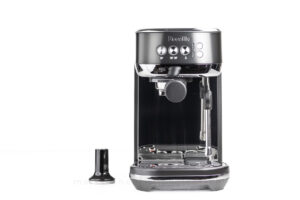
The Bambino Plus packs a lot into a tiny package, including instant on / instant steam ability, automated steaming, 3 way solenoid, and precise temperatures.
Ninja Luxe Cafe
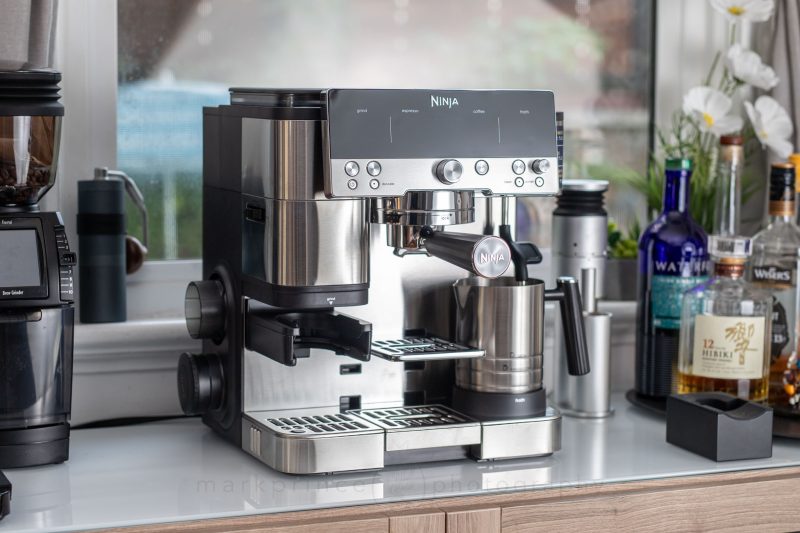
A new premium entry from the Ninja brand, the Luxe Cafe strives to make every coffee and espresso beverage you can think of, hot or cold, all inclusive.
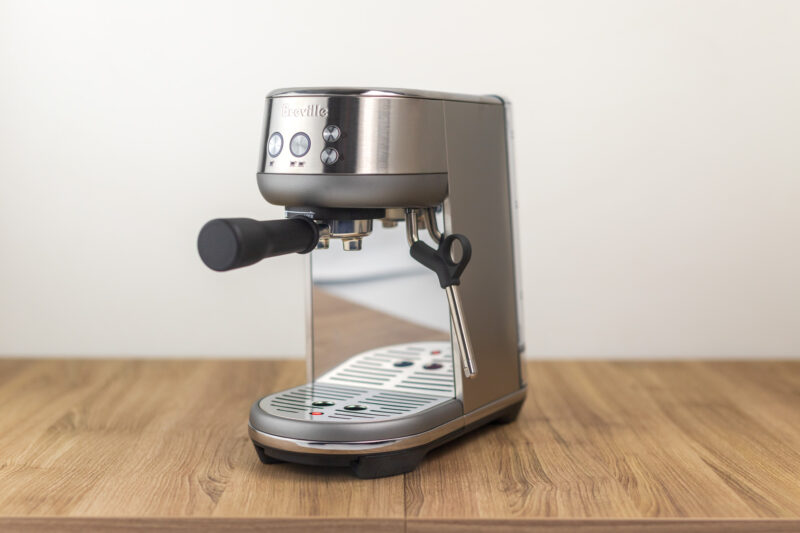
Breville Bambino
The Bambino omits the Plus' automated steam feature and is missing a 3 way solenoid valve, but has all the other features for $100 less.
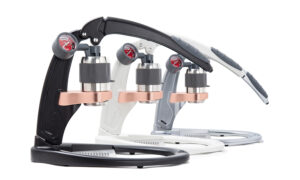
Flair PRO 2 Lever
A fully capable manual lever machine with advanced pressure gauge, sturdy build quality, and a beefy reservoir, It all packs up into an included travel case.
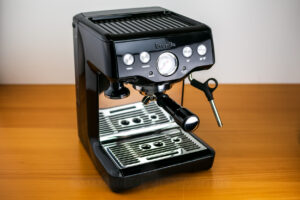
Breville Infuser
Often overlooked, but worthy of consideration: the Infuser is everything the Barista Express is, but without a built in grinder (buy a better one to pair with it).
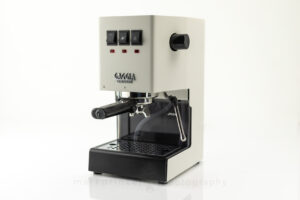
Gaggia Classic Evo Pro
It's been around in variants for over 40 years, and today remains one of the best workhorse machines you can buy, and one that's easily upgradable.
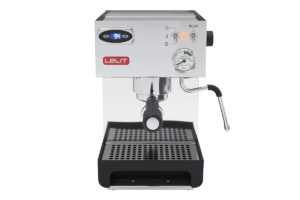
Lelit Anna 2
The entry point machine from Lelit, the Anna, ticks a lot of boxes: full PID controls, pressure gauge, 3 way solenoid valve, brass boiler, Italian made, and built to last .
Breville Barista Express
The best selling espresso machine of all time is packed with features including a grinder and PID controls, and stands up even 13 years after it was introduced.

Navigation
IntroductionWhat is "Budget Espresso"?
In so many ways we, as coffee and espresso consumers, are blessed with the widest variety of choices any time in history has seen when it comes to espresso machines. The entire gamut is out there, from $65 “steam toy” boiler pressure espresso machines (more like automated moka pots), all the way up to $18,000 bespoke espresso machines designed for, and intended for home use. Literally several thousand different machines to choose from, globally.
So why is the cheapest machine on our list priced at $250, with most costing $350 or more? Why do we recommend a starting budget of $500 if you want to get quality espresso in the home? Why, when a simple search of Amazon or Aliexpress will turn up a variety of sub $200 espresso machines out there?
To answer the second question first, the $500 starting budget demands you also buy a good espresso-focused grinder to pair up with your espresso machine. The grinder is the true hero of the home espresso setup; you can make a better espresso with a $500 grinder and a $300 espresso machine, than you can with a $50 grinder and a $10,000 espresso machine.
But you don’t need a $500 grinder. There’s several really good ones for espresso on the market today for $200 or less. Our recently published Best Budget Coffee Grinders for 2024 Feature Guide gives you a bunch of great choices.
As for the third question – why not recommend those sub $200 white label espresso machines populating Amazon? The ones you’ll almost always find on AI-generated “Best of” budget lists?
Because those machines generally have too many uncontrolled variables that prevent you from making consistently good espresso. Those machines also tend to use inferior parts with very low quality control tolerances.
Which brings us to the original question above: why is the lowest priced machine on CoffeeGeek’s Budget Espresso Machines list coming in at $250? Because, for now at least, that is the entry point for espresso machines that meet our Guide criteria. The $250 suggestion is the Gaggia Espresso Evolution, a very entry level machine with good enough features to make our list. But our real suggested starting point is the $300 Breville Bambino, which has a real PID, volumetric measurements, auto shot controls and instant on ability.
This leads to our criteria for this list.
Our primary goal with these recommendations is to provide you with solid, reliable advice on excellent espresso machines that will provide a minimum of 5 years of daily use. Machines you will be happy with for a long time. Machines with a lot of obvious and hidden benefits, like excellent resale values, good customer support, bulletproof build quality, and/or high end features and technology. In some cases, a machine gets listed because of the huge amount of aftermarket kit you can get for it. In others, the machine may be a modder’s dream, allowing you to add things like PID controls or pressure modifications.
Generating affiliate link clicks is definitely not our primary goal. In fact, a few of our selected products generate zero income for CoffeeGeek should you choose to buy them. They are recommended espresso machines because they are the best of the best in a budget range.
That said, we do use some affiliate links in this guide. They include our main Amazon Affiliate Link, and commission links to Breville, Lelit and Ninja. When you purchase products via these links, you are indirectly helping to fund this website, allowing us to continue bringing you unbiased content.
With that said, let’s get deep into the choices available for 2024!

Support CoffeeGeek
If you enjoy and learn from this resource, please consider making a one time or recurring donation to help support our work and fund purchases for future reviews.
Breville Bambino PlusBest Overall Machine
Name: Bambino Plus
Maker: Breville
MSRP: $499USD / $649CAD
Typical Sale Price: $399USD / $499CAD
Introduced: November, 2018
Features: PID control; automated steaming/frothing system; thermojet instant on / steam; programmable volumetric controls; water filter; low water warning; 3 way solenoid valve; 54mm portafilter; 4 filter baskets; included pitcher, tamper, and dosing tool.
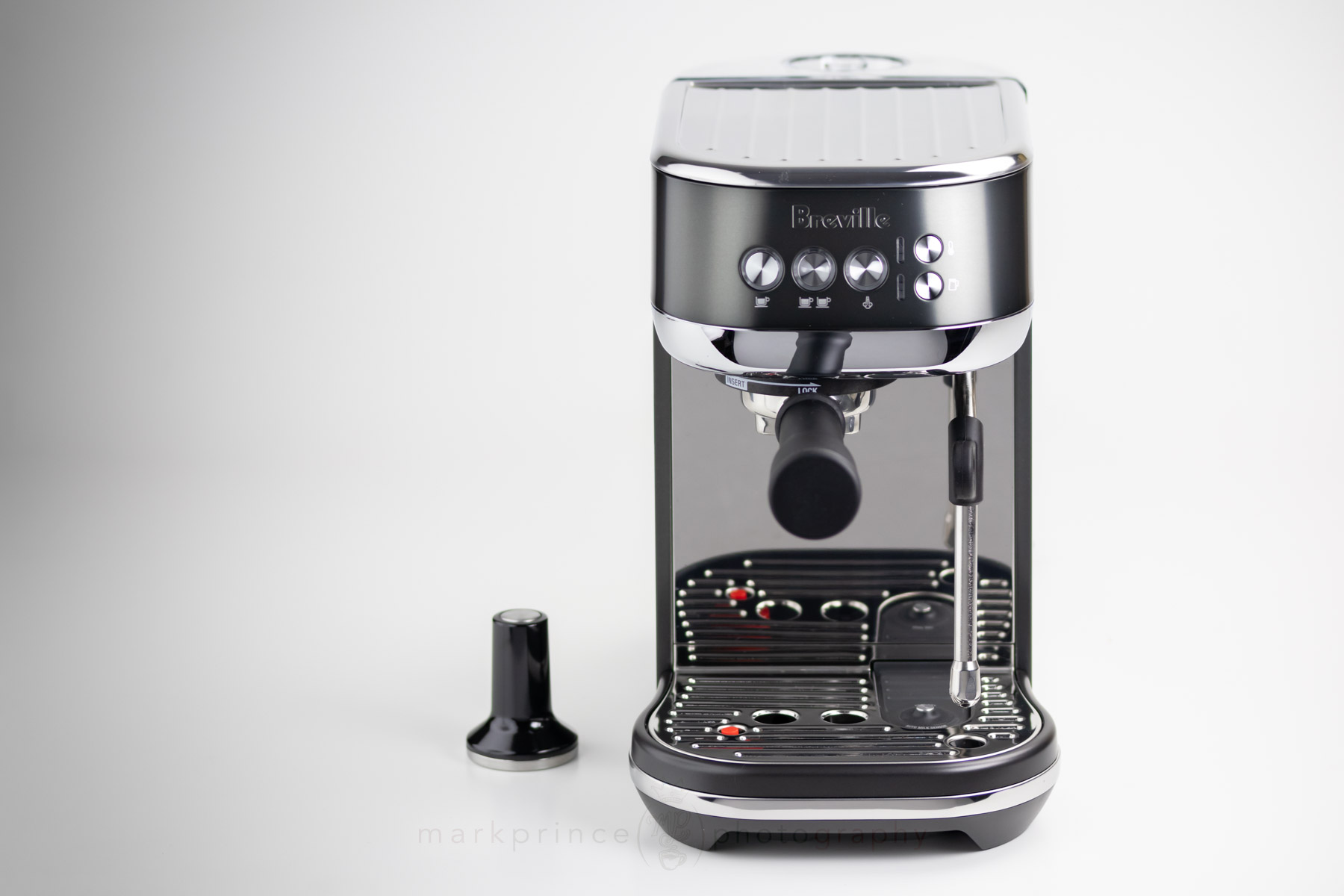
The Bambino Plus is a pretty amazing machine given its size and price. It has some features that you otherwise find on machines in the $1,500 or higher price range from Breville. Not without drawbacks, the Bambino Plus is a true all-drink building machine for the home espresso lover, and its tiny footprint makes it even more of a value.
The list of features is quite impressive.
- The Bambino Plus is an “instant on, instant brew, instant steam” machine. Have an urge for an espresso? 5 seconds after you turn it on, it can deliver 93C water to the grouphead. Want a cappuccino? Press the steam button and less than 5 seconds later, steam is coming out of the steam wand.
- The Bambino Plus has an automated frothing and steaming system built around a traditional steam wand, and the machine can deliver three different froth levels, and three different milk temperatures. I cannot think of any other machine anywhere near this price point that has something similar.
- The Bambino Plus has a lot of very advanced features typically found in espresso machines at twice the price, including a true volumetric, programmable automatic shot system, customizable preinfusion in manual mode, a 3 way solenoid valve for instant removal of the portafilter, a PID system for very accurate water temperatures, and a proper OPV valve for accurate 9bar temperatures.
- The incredibly small footprint (while still maintaining a large water reservoir) makes it a machine that could fit pretty much anywhere.
There are some issues with the Bambino Plus. For instance, if you want a truly exceptional espresso from it, you absolutely must flush or run some blank shots through the portafilter to heat all the metal up. The drip tray is almost comically small, and needs to be emptied after every shot pull. The cup tray up top is nice, but doesn’t even get warm. And getting hot water (for your americanos) from the steam wand is a clunky, stretched-out two button pressing affair.
These are all minor quibbles, based on the machine’s price and featureset. It quite literally is the best bang for the buck espresso machine on the market today, even beating out the Breville Barista Express. We like it so much, we labelled it as the Best Espresso Machine available today (alongside the $3,000 Lelit Bianca).
Ninja Luxe CafeDo it All, Hot or Cold
Name: Ninja Luxe Cafe
Maker: Ninja Kitchen
MSRP: $499
Typical Sale Price: $449USD
Introduced: August, 2024
Features: built in 25 setting grinder with dosing scale; PID controlled brewing temperatures; instant on, instant brew; automatic frothing system including ice-cold foam; can brew up to 18oz. “pour over style” coffee; unique quad shot espresso; full slate of cold espresso and cold brew modes; barista assist technology; 3 way solenoid valve; manual steaming available; 54mm portafilter system.
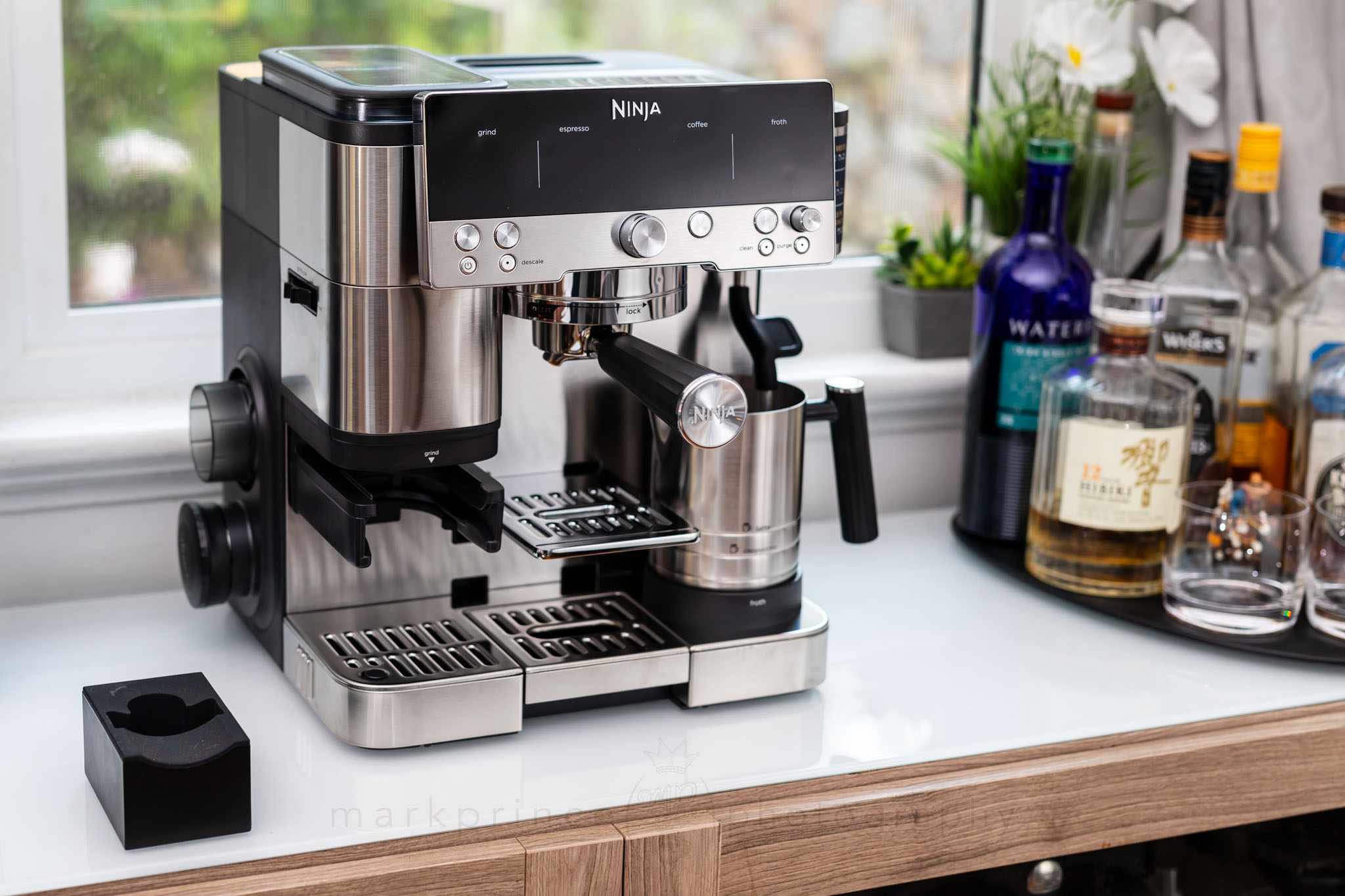
Ninja Kitchens, a very popular brand in the USA for small appliances that always seem to do a bit extra, have decided to take a big leap into the premium appliance market, and their first entry is the Luxe Cafe espresso machine, coffee maker and cold brewer. We have an extensive First Look up about the machine, featuring all of it’s details and operations. This was enough to grant it a spot on our Best Budget Espresso Machines list.
This is a bit of a swiss army knife of espresso machine technology. Not only can it brew and excellent shot of espresso at a 2:1, 2.5:1, or 3:1 ratio, but it can also brew a crazy quad shot of espresso using 40g of coffee, producing 100ml in the cup. But that’s only the beginning. It does a beautiful cold-pressed double espresso shot, perfect for building those iced espresso, americanos and cappuccinos. It can brew a pour-over quality cup of coffee in about 2.5 to 3.5 minutes, in volumes ranging from 6oz to 18oz. It also has two cold brew modes for brewed coffee: hot brewing at more concentrated levels for brewing on ice, or a true “cold brew” mode that effectively turns off the heater and does a slow, 7 minute extraction for super mellow, low acid cold brews.
Then there’s the frothing system. It can be used manually to do excellent hand stretched microfoam for pouring latte art, and it has 3 auto modes as well: low foam, big foam, and my own favourite: ice cold foam. Yup, this machine can produce spoonable, thick foam that is fridge-cold for your iced coffee drinks.
The built in grinder has 25 selections and some smart features, like running the grinder for 1/10th a second every click finer you make on the grind adjustment dial. This prevents damage to the burrs and makes adjusting the grinder finer foolproof. And did I mention the grinder has a built in scale?
The only thing missing from the machine is the ability to dispense hot water for teas or for pre-heating cups. That’s a bit of a miss, but so far the only negative we’ve found with the machine. Everything else is golden, including the price.
Considering you get all this in a $500 machine, this could be the killer entry machine in the world of espresso for 2024.
Breville BambinoGreat Starter Machine
Name: Bambino
Maker: Breville
MSRP: $299USD / $449CAD
Typical Sale Price: $279USD / $399CAD
Introduced: October, 2020
Features: PID control; thermojet instant on / steam; programmable volumetric controls; low water warning; preinfusion mode, hot water control (through wand); 54mm portafilter; 4 filter baskets; included pitcher, tamper, and cleaning tools.
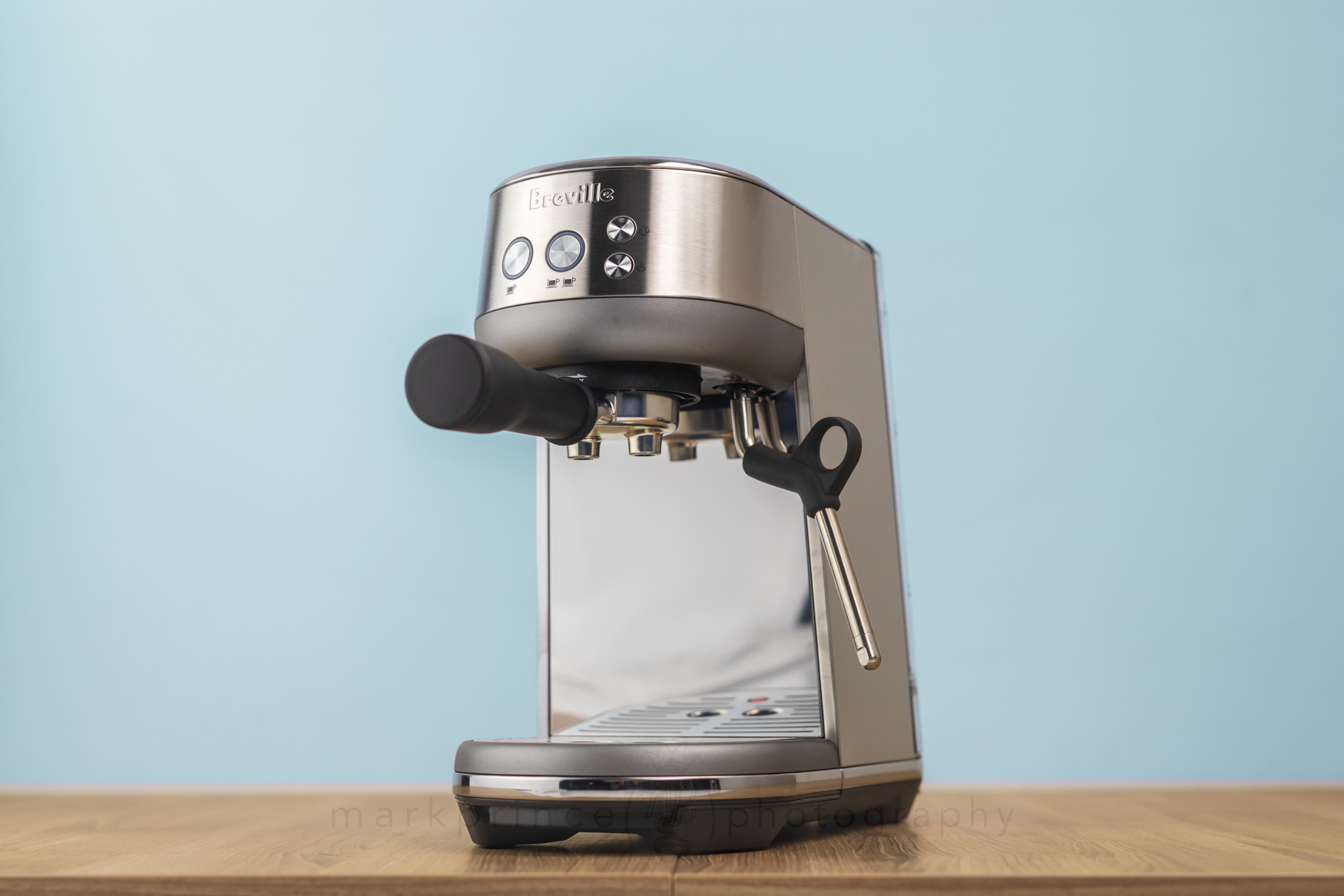
The Bambino is the brother machine to the Bambino Plus, and introduced 2 years after the Plus was released. Which makes you wonder how Breville knew to call the Bambino Plus a “plus”? Maybe the original Bambino was delayed. Who knows.
Regardless, the Bambino looks very similar to the Plus model, to the point where a quick glance and you may confuse one for the other. The Bambino is missing two things found on the Bambino Plus: it doesn’t have the automated frothing system that makes the Plus model such a fantastic package at its price point; and it doesn’t have a 3 way solenoid valve for pressure release after a shot pull (which, as a side note, is a weird omission by Breville). It also has a smaller water reservoir.
But the Bambino has one thing the Bambino Plus does not have: it has a dedicated hot water button, delivering toasty hot water through the steam wand 3 seconds after you press it. And it will run as long as the reservoir has water. It also has another slight benefit over the more expensive Plus model: the Bambino has a slightly larger drip tray capacity.
Almost everything else about the Bambino is identical to Bambino Plus, including
- The same thermojet heating system for instant on, instant steam ability.
- The steam system is just as powerful as the Bambino Plus, and possibly even more so because it’s a direct steam wand without the Plus’ internal trickery for the wand design. It’s definitely a faster and more powerful steam system than the Gaggia Classic Evo Pro, as one example.
- PID temperature controls, with one set temperature: 200F. We’ve measured this over a 100ml water draw, and it is rock steady.
- Volumetric controls which can also be programmed or used manually.
- Preinfusion mode for better overall saturation of the coffee bed.
As an entry point machine, the Breville Bambino is a spectacular value. The only thing we find lacking is the missing pressure relief after a shot pull (so watch out for those portafilter sneezes).
Our blog contributor Natia owned a Bambino for a year before upgrading to the Breville Dual Boiler; the machine was working perfect after one year of multiple shots pulled per day. She highly recommends this machine for beginners.
We recently posted our First Look for the Bambino, on CoffeeGeek.
Flair PRO 2 LeverBest Manual Espresso Machine
Name: Pro 2
Maker: Flair
MSRP: $325USD / $425CAD
Typical Sale Price: $325USD / $425CAD
Introduced: Summer, 2022
Features: all steel portafilter, brew cylinder / reservoir, and spout; stem includes built in pressure gauge; copper portafilter base; silicone grip handle; dosing cup, funnel and tamper included; custom carrying case; can be permanently assembled with included mount screw.
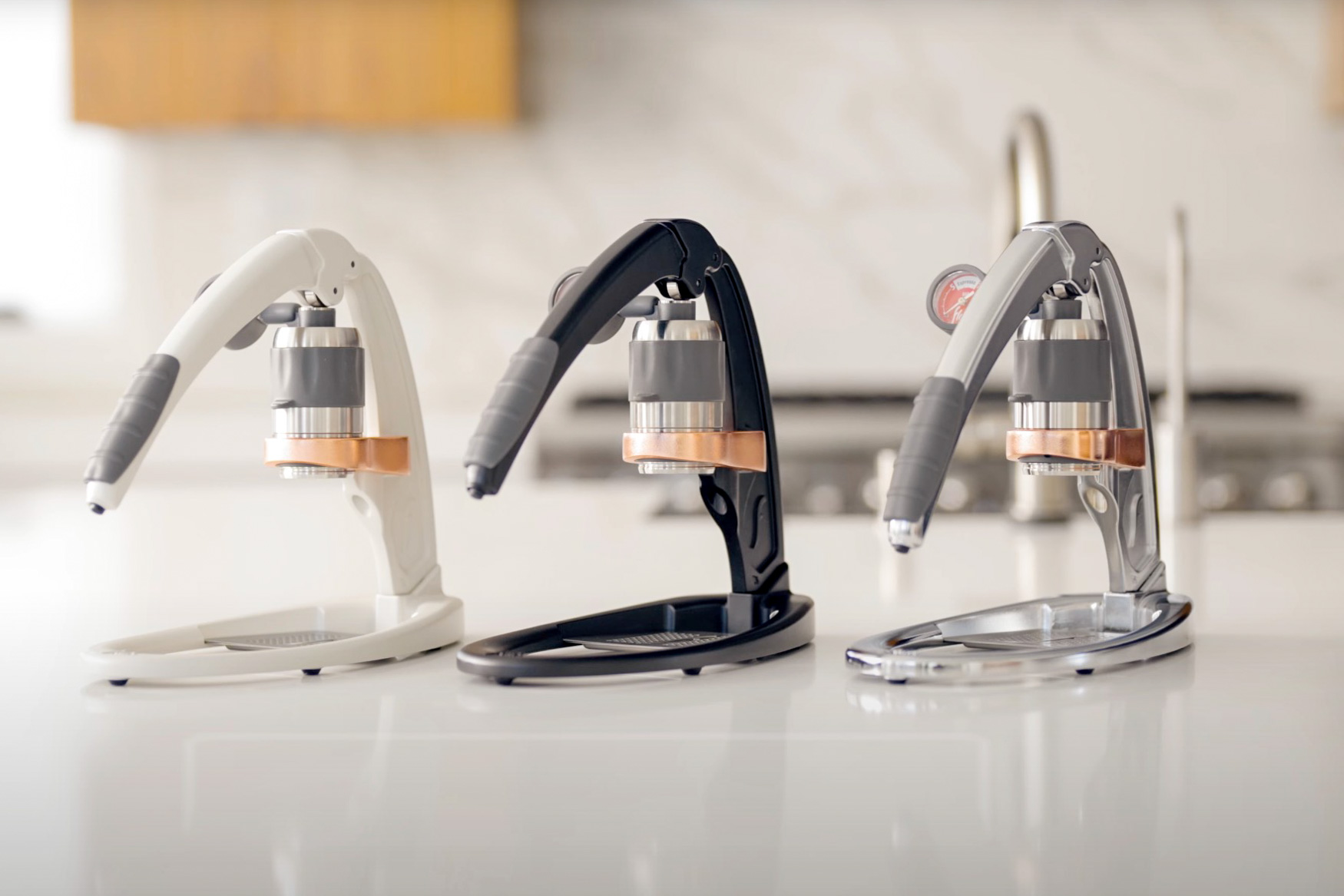
What if you could spend $325 and get an espresso machine that has a similar feature to that found on the Lelit Bianca V3, a $3,500 espresso machine? Or a Decent Espresso machine, a $7,500 device. Or a La Marzocco GS3 MP, a $10,000 masterpiece? And that $325 machine can break down and pack up into a small travel case to take with you on vacation?
I’m talking about the Flair PRO 2 Lever espresso machine, and it is our budget best choice for manual, unpowered espresso machines, beating out the Cafelat Robot simply because the Robot is $115 more in the USA. (sidenote: the Cafelat Robot is fantastic!).
So what’s the tradeoff? The Flair Pro 2 is an unpowered, manual lever machine and cannot steam or froth milk. It is also a self-contained portafilter / brewing group / reservoir that makes banging out back to back shots a challenge, unless you buy a second brewing group ($114 option). You will also have to really preheat the brewing group if you want 4+ star shots.
But with care and attention and a lot of hands on, you can definitely get near 5 star shots out of the Flair Pro 2. That’s because this machine provides you two tools to get the job done (and mimic a feature found in the expensive machines mentioned above). They are the actual lever arm, and the pressure gauge.
The Flair Pro 2’s brewing group has an incorporated real-time pressure gauge that shows you the active pressure during a shot pull. If you’re read a lot about espresso, you’ve probably heard the phrase “pressure profiling”. This is that advanced tool found on the Bianca V3, the Decent, and the GS3. Those machines allow the operator to raise or lower the water pressure on the bed of coffee during the shot pull. The Flair Pro 2 does the same thing: you control the pressure with your arm strength and lever pulling, while eyeballing the pressure gauge.
The Pro 2’s brewing group is beefy and full of metal that retains heat nicely. Because the Flair is unpowered, it is up to the user to preheat everything and make sure anything touching water in the machine is as hot as possible. The brew group design facilitates this by using high quality materials.
The water reservoir holds about 70g of water when filled up. The filter basket are can hold up to 22g of coffee, though 18-19g will do quite nicely. You do have to grind a tad coarser than you would with a traditional 58mm portafilter on a powered espresso machine, because the Flair Pro 2’s filter is only 46mm across. This means the coffee bed (or puck) is thicker, or higher, than it is on a traditional machine, creating more resistance for the water to flow through.
The other reason this wins as our best budget manual espresso machine is because of what it comes with. Included in the box is a very nice travel case that can carry a disassembled Pro 2 (very easy to do) during your travels. It also comes with a very nice steel 45.5mm tamper. Other companies make you pay extra for those things.
You might be wondering why we didn’t list the Flair Neo Flex (at just $99) in lieu of the PRO 2. Two reasons: first, we haven’t tested or used (or even seen in person) the Flair Neo; and second, the Flair PRO 2 with the pressure gauge system is really a premium product for a decent entry espresso level price.

Breville InfuserThe Underdog Champion
Name: Infuser
Maker: Breville
MSRP: $599USD / $829CAD
Typical Sale Price: $499USD / $549CAD (!!)
Introduced: May, 2013
Features: PID control with six settings; pressure gauge up front; programmable volumetric controls; built in preinfusion (manually controllable); water filter included; steam pitcher, dosing tool included; magnetic mount tamper; four filter baskets; 3 way solenoid valve; three hole steam wand; fast start / fast steam modes; hidden accessories tray.
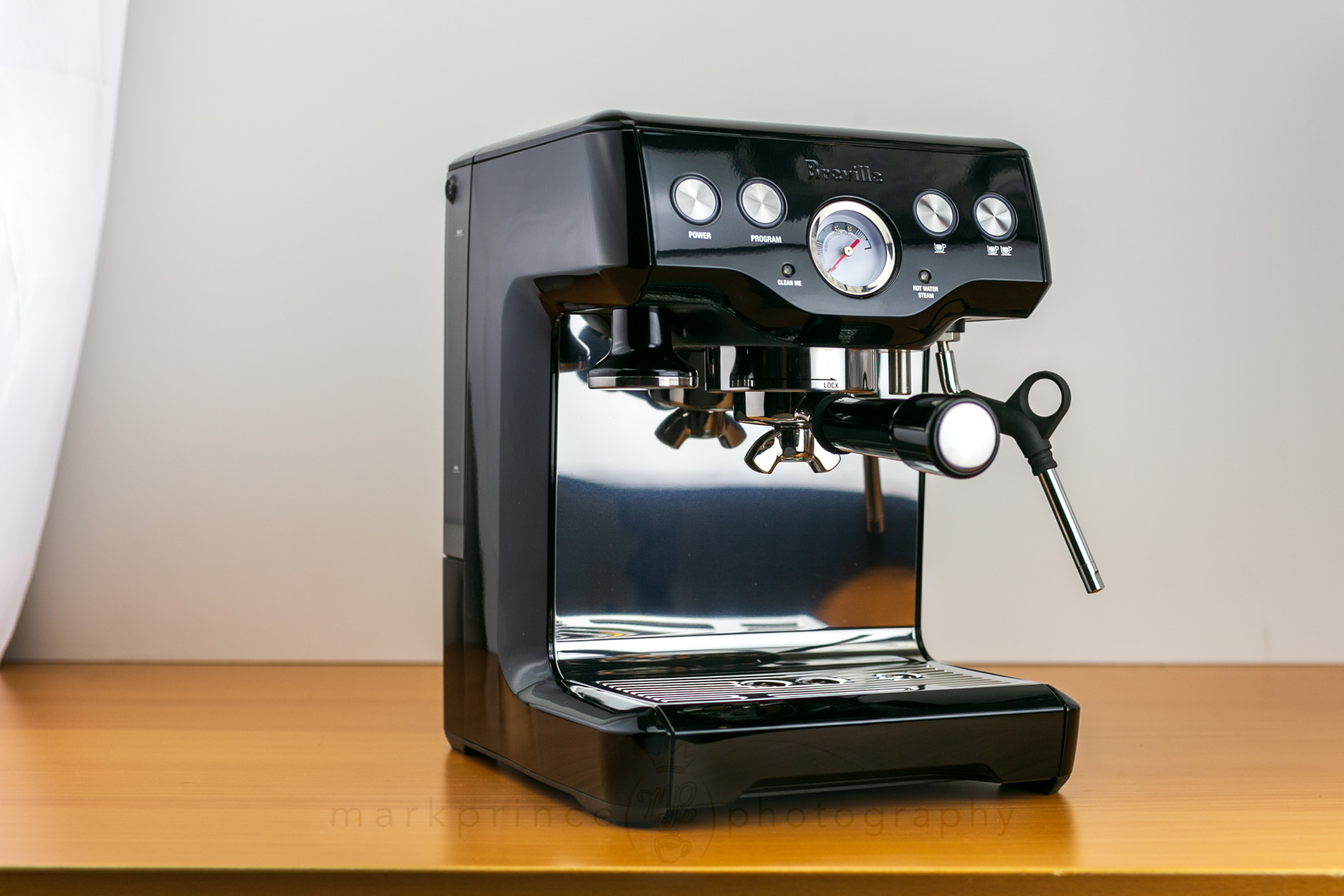
No one talks about the Infuser much. Heck, not many vendors list the machine in their inventory. That’s because everyone’s buying the bigger brother of the Infuser, the Breville Barista Express, with its built-in grinder, for roughly $100-$150 more.
But more people should be talking about the Infuser, and splurging $200 or so on a quality, true-multipurpose grinder to pair up with it. The overall quality of your espresso shots will be improved, compared to what the Express provides.
The Breville Infuser is identical to the Barista Express in almost every way save two: it doesn’t have a built in grinder; and it has a smaller footprint. Otherwise, it has the same thermocoil heating system, same volumetric controls, same programmability, same brewing group, same adjustable PID, adjustable shot volumes, same preinfusion, same portafilter, same tools, and same electronics. It also has the same mechanical pressure gauge up front, and the same built in, yet removable tamper.
The Barista Express has a proven track record, and is the best selling espresso machine in the world, 11 years running. It has attained that stature because it’s a good value, and the espresso side of things is very good. The Infuser has all that same goodness, but less things to break down and worry about (ie, no grinder, no grind chute, no secondary electronics, etc).
On social media a while back, we recommended the Infuser, and almost immediately the responses came in: why bother, when the Express is just $100 more list price, and in some cases the same price if the Express is on sale. If both the Barista Express and Infuser are at the same price when it comes time for you to buy an espresso machine, definitely go for the Express. But also shop around for the Infuser: it can dip as low as $459 in the US, and $499 in Canada during sale periods.
There is also a growing argument that the grinder built into the Express just isn’t up to snuff any longer, given the plethora of quality grinders (several at the $200 price point) hitting the market these days. It is the grinder and its limitations that made C|Net temporarily remove the Barista Express from their top recommended spot last year (they’ve since added it back). I’m not quite there yet (sure, the Barista Express’ grinder is “entry level” but it’s still a good grinder).
All this said, there’s a definite benefit to having a separate grinder. I imagine many Barista Express owners have a second grinder, so they can grind coffee for press pot, pour over, auto drip and other brewing methods.
So why not save $100-$250 on the espresso machine by buying the Infuser over th Express, and take the $50 to $150 you might have spent on a second grinder (as a Barista Express owner), and roll that $150 to $300+ into a really good multipurpose grinder? The result will be even better quality espresso overall, and you didn’t spend a dime more. For example, the SK40 from Turin ($200) or the Baratza Encore ESP ($200) would both work fantastic with the Infuser, and also deliver great grinds for your pour over adventures.
At $599 full retail, the Infuser is a good machine. Way better features than the Rancilio Silvia at $850. More reliable and efficient than the similarly priced offerings from Delonghi, and other brands. If you find it on sale, as low as $450 or less? It is possibly the best deal in espresso machines out there.
We reviewed the Infuser on the previous version of the CoffeeGeek site, and gave it a strong A- review. We’re currently redoing our review of this machine, and the First Look will be published soon.
Gaggia Classic Evo ProModable Classic
Name: Classic Evo Pro
Maker: Gaggia
MSRP: $549USD / $699CAD
Typical Sale Price: $449USD / $549CAD
Introduced: Summer, 2023
Features: upgraded all steel 58mm portafilter; multidirectional, traditional steam wand; 3 way solenoid valve; 9BAR OPV valve; all steel grouphead block; no more chrome parts; updated and strengthened frame; all metal construction; easy to access inside for maintenance, repairs, upgrades.
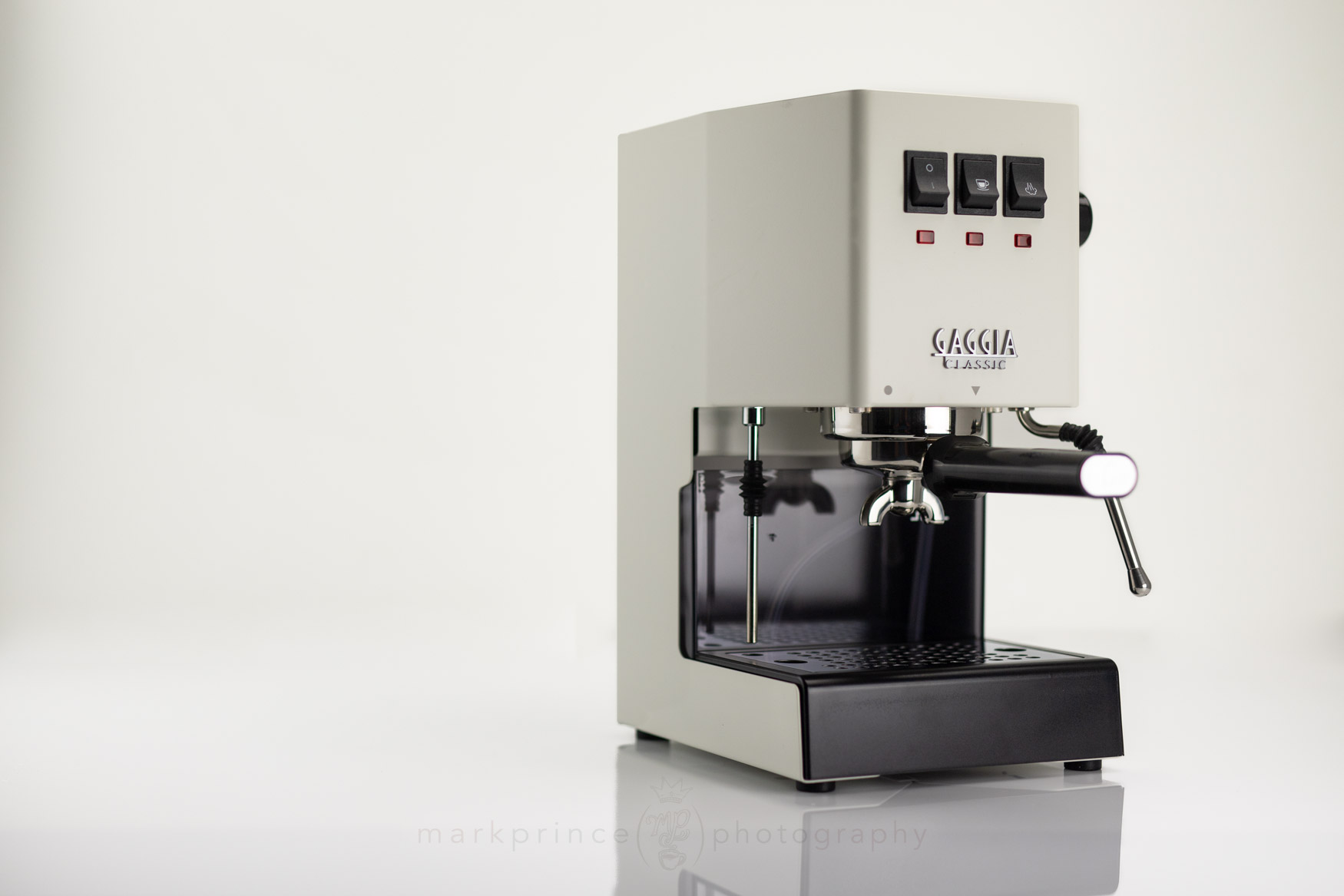
If you’re looking for a made in Italy, traditional espresso machine that can be hyper-customized thanks to a very vibrant home barista community out there, the Gaggia Classic Evo Pro is the machine for you. It makes our list because it is a time proven and tested platform, and a machine that is very easy to upgrade and modify. Why is this a good thing? Because, thanks to a plethora of youtube videos and home-barista forum posts, for very little money you can modify a Gaggia Classic to make it work like machines costing several thousand dollars.
This includes adding PID controls, a variable pressure system (controlled via a dimmer dial!), improved overpressure valves, and even a rotary pump. Kinda crazy, right? All this stuff will void your warranty, but Gaggia and its vendors love that home owners are doing these kinds of mods.
There was a time when the Gaggia Classic, a machine made by Gaggia in Italy since the early 90s, was priced the same as the Rancilio Silvia. Since then, the Silvia has skyrocketed to $850 (with only a few cosmetic changes and a better portafilter) and the Classic, now in the Evo Pro version, is still around $450 (it was $399 in 1999!). It has all the basic things you want in a good espresso machine: a 58mm portafilter (now polished steel!), a steel-wrapped brass grouphead, a 3 way solenoid valve for instant pressure relief, a visible water tank, a properly heated cup warming tray, a good steam wand, and all metal construction.
The Evo Pro is the latest iteration of the Gaggia Classic machine, and as mentioned above, has a lot of improvements, including a much better (and accurate) 9bar OPV valve, the newly updated portafilter, better internal design for easier access to the pump, connections and tubing, an improved coating inside the aluminum boiler (to reduce long term scale damage), and the brass grouphead is now skirted in stainless steel (instead of chrome plating). Gaggia even improved the mounting of the vibratory pump to reduce machine noise.
For these reasons, along with the Italian heritage and the vibrant ownership group online always ready to share mods and improvements, the Gaggia Classic Evo Pro is a machine worth a lot more than its $450 entry price. When you think about it, the exact same things made the Silvia so popular and recommended back in the day.
We’ve modded a Gaggia Classic in the past to add a PID controller – it was relatively easy to do. Today, projects like the Gaggiuno take a $200 investment and a lot of elbow grease to turn the Classic into a poor-person’s $5,000 Decent espresso machine. Try doing that on a complicated (and small market) made in China off brand espresso machine you find on Amazon for $300.


Lelit Anna 2Italian Classic with PID
Name: Anna 2
Maker: Lelit
MSRP: $699USD / $949CAD
Typical Sale Price: $579USD / $799CAD
Introduced: Summer, 2014
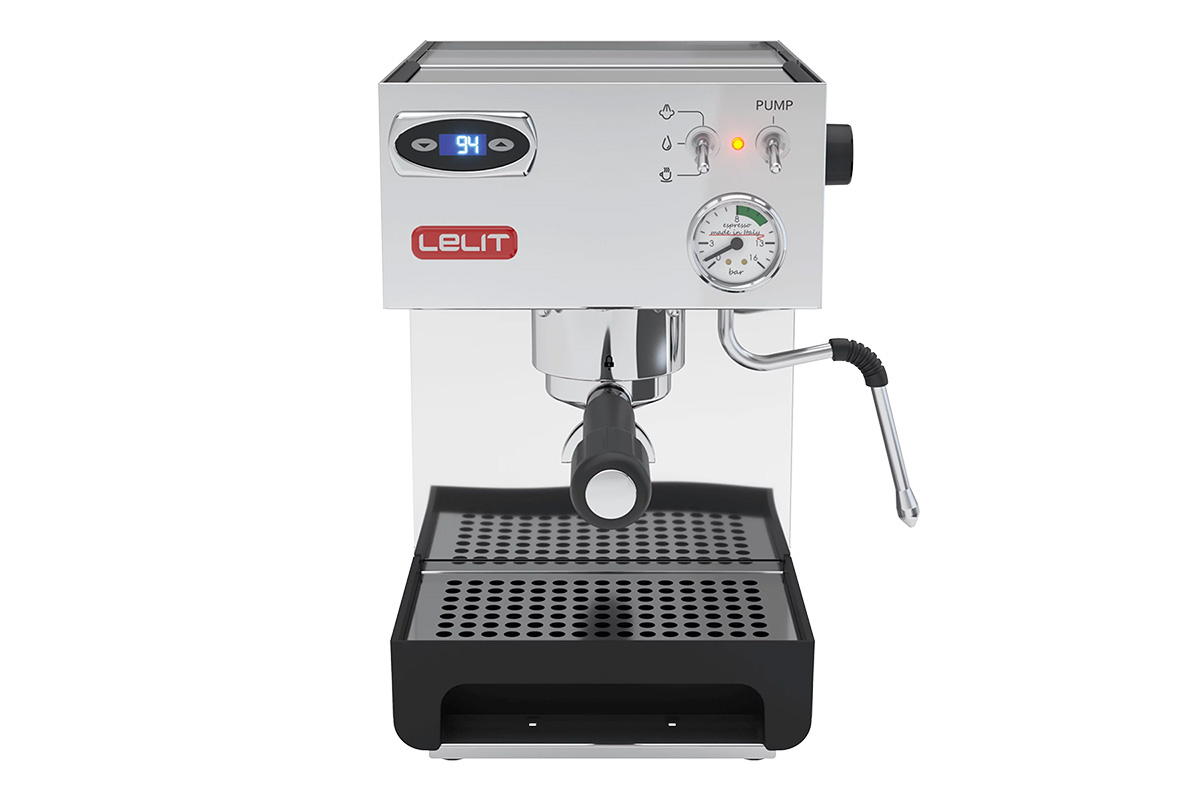
Features: PID control; temperature control to 1F; pressure gauge, 57mm upgraded portafilter; 250ml brass boiler; fully articulating steam wand; all metal construction; large water reservoir; easy to adjust OPV valve; easy access for maintenance, repairs.
In some ways, the Lelit Anna 2 is an amalgamation of the Gaggia Classic Evo Pro, the Rancilio Silvia, and the Breville Infuser, and is a very popular entry point machine in Lelit’s lineup: so popular, it’s often out of stock.
We have one here at CoffeeGeek, and are working on a First Look for the espresso machine, coming this fall.
It’s not the prettiest machine, and it’s UI could use an overhaul too. It uses cheap rocker switches with stencilled on graphics that can wear off. The main three way switch changes the machine’s modes from steam, hot water, or brewing, and the second switch activates the machine’s pump. It also has a slightly non-standard 57mm portafilter, meaning accessories will be harder to find, like chopped portafilters.
So why recommend this machine? First, it has a full PID system installed that can be controlled down to 1F (the Infuser only lets you jump in 2F settings in a short adjustment range). Next, it has a visible pressure gauge which aids in evaluating and adjusting for your shot pulls. Third, the steam wand is fully articulating, something a few other machines on this list don’t have. It is also a 250ml brass boiler machine, and inside, it’s similar to the Silvia in that almost everything on the machine inside is serviceable for longevity. Last but no least, it has one of the largest reservoirs in this category, at 2.75l.
The Anna 2 has been around for nearly 10 years now (it became the “2” model after the PID was installed), and has many very satisfied owners. It retails for under $700, which is still nearly $200 less than the Silvia (though $250 more than the Gaggia Classic Pro Evo). This makes it the second most expensive macine on this list, behind the Breville Barista Express, but is a solid choice for someone who wants a machine with a full PID control and something they can easily repair and maintain down the road, giving decades of service.
Breville Barista ExpressBest Seller of All Time
Name: Barista Express
Maker: Breville
MSRP: $699USD / $999CAD
Typical Sale Price: $599USD / $799CAD
Introduced: February, 2013
Features: PID control with six settings; built in grinder with 16 settings; pressure gauge up front; programmable volumetric controls; built in preinfusion (manually controllable); water filter included; steam pitcher, dosing funnel and dosing tool included; magnetic mount tamper; four filter baskets; 3 way solenoid valve; three hole steam wand; fast start / fast steam modes; hidden accessories tray.
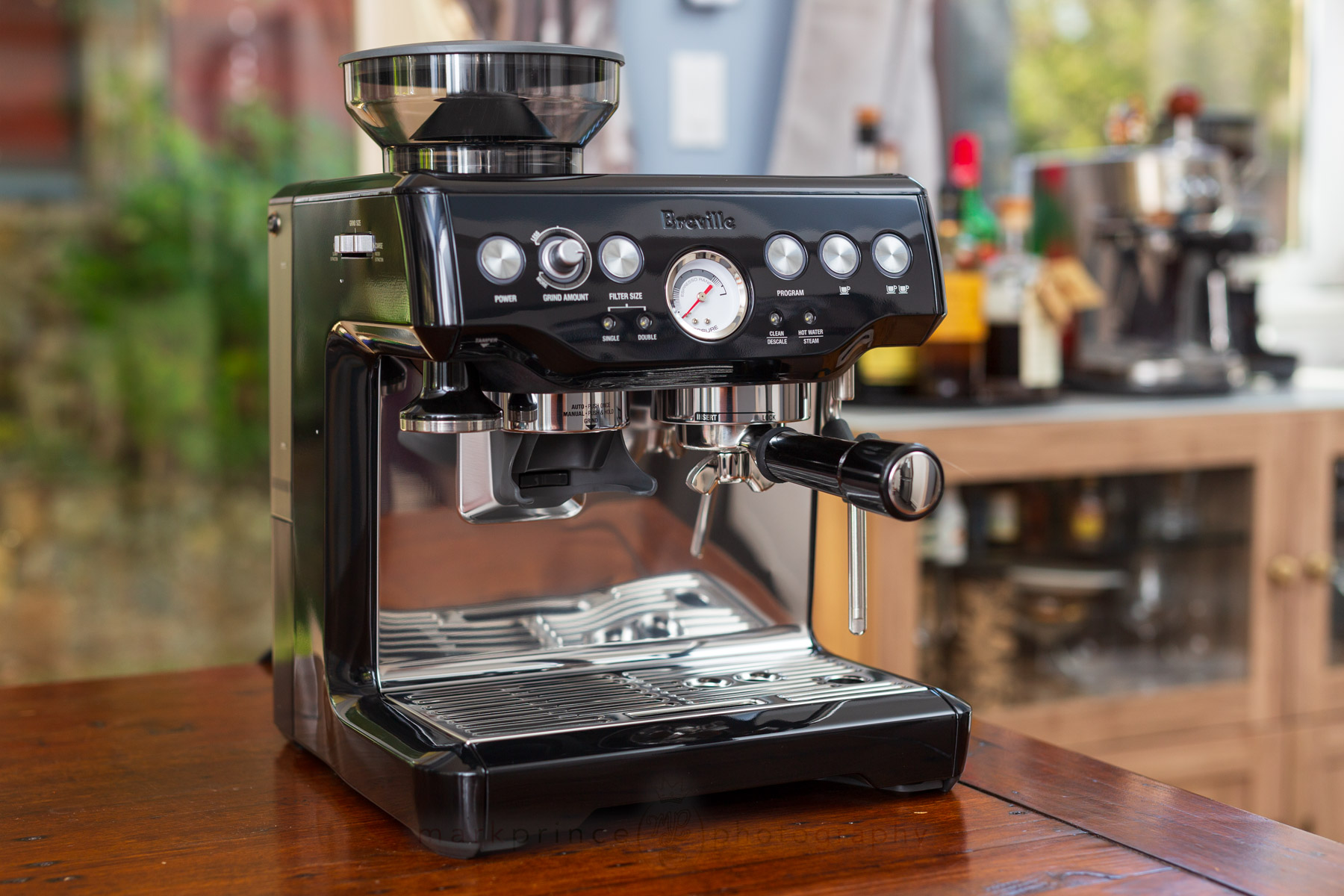
How can the best selling espresso machine for every single year for the past decade not make this list? The Breville Barista Express (BBE) is that machine. Breville sells more of this machine in a year than Rancilio does with the Silvia in nearly 10 years. And there are reasons why.
First and foremost, it is a very capable espresso machine. Featuring a 54mm all steel portafilter, which slots into a machine with adjustable PID controlled temperatures, a programmable volumetric shot pull system, a proper 9bar OPV valve, 3 way solenoid pressure release, relatively fast transitions from brewing to steaming, and that well loved mechanical pressure gauge up front. Everything on the machine gets nice and warmed up to give your stored cups on top some heat, and get the metal grouphead nice and temperature stable.
The BBE has a nice big water reservoir with filter options and an equally large drip tray that doesn’t require emptying every shot pull. Steam ability is good (and much better than the Rancilio Silvia), and the BBE has well designed electronics that can auto flush off excessive pressure after transitioning from steam back to brewing.
It also has a grinder built in. Pretty much identical to the grinder mechanism inside Breville’s Dose Control Pro.
Breville also packs the box with accessories. You get the magnetic-attach tamper, a 350ml steaming pitcher, a Razor dosing tool, four filter baskets, steam wand cleaning tools, and new for 2024: Breville’s dosing funnel collar.
The BBE is missing a few features people expect in a 2020s espresso machine, including a low water sensor and a better timer dial for the grinder (the resolution on the BBE’s grinder timer dial is pretty massive, resulting in big dose changes for each click on the dial). I’d also like to see a more granular control over how much or how little steam you can deliver, instead of the current all or nothing dial system. We wrote up ways Breville can improve the Barista Express a little while ago.
But those are very minor in comparison to the machine’s overall performance.
I’ve used 4 BBEs since 2013; the latest model we have here in the Lab is a 2019 variant, which has an improved OPV valve and better accuracy in the volumetric controls. The machine is quiet (compared to other similarly priced machines), looks fantastic, and there’s just something about that pressure gauge up front that makes it look serious. You can pull manual shots on it, controlling the preinfusion time, and even the hot water system delivers nicely heated water for your cup warming, teas, or americanos.
Oh, did I mention the secret accessories drawer housed in the machine, to hold your spare filter baskets, cleaning brush and blind filter? I love that Breville includes things like this.
At around $700 retail (and sometimes as low as $550), grinder included, this is a fantastic machine for the home espresso enthusiast starting out.







3 Responses
When is the Ninja coffee luxe coming to the UK
According to my friend Coffee Kev, sometime in October.
The timing of this article is great since I’m searching for my first espresso machine.
I don’t know that I’ve ever had a good espresso. The shots I’ve had from ‘chain store’ type coffee houses have been underwhelming at best. No wonder these places add a figurative ton of sugar and cream to their drinks.
In my search, and being frugal, I did find an affordably priced machine. I mean, ridiculously affordable.
The Wirsh 20 bar espresso machine for $159.00, seems like it could be a giant killer, or, more likely, it could be the Easy Bake Oven of espresso machines.
–link removed–